Kaisra Osman Explains How GLWA Turned Information into Its Most Powerful Asset
 Kaisra Osman, BCom, CRL is Manager of Strategic Asset Management Planning at the Great Lakes Water Authority (GLWA). She assists in the development of strategic asset management plans and works across the organization to strengthen asset management strategies, standardize best practices and support continuous improvements to ensure alignment with GLWA’s overall objectives.
Kaisra also oversees asset management communication and training efforts, helping to build an asset management culture of efficiency, sustainability and informed decision-making.
Read on below for her original blog, where she shares firsthand insights into how GLWA turned information into its most powerful asset.
The Data Challenge
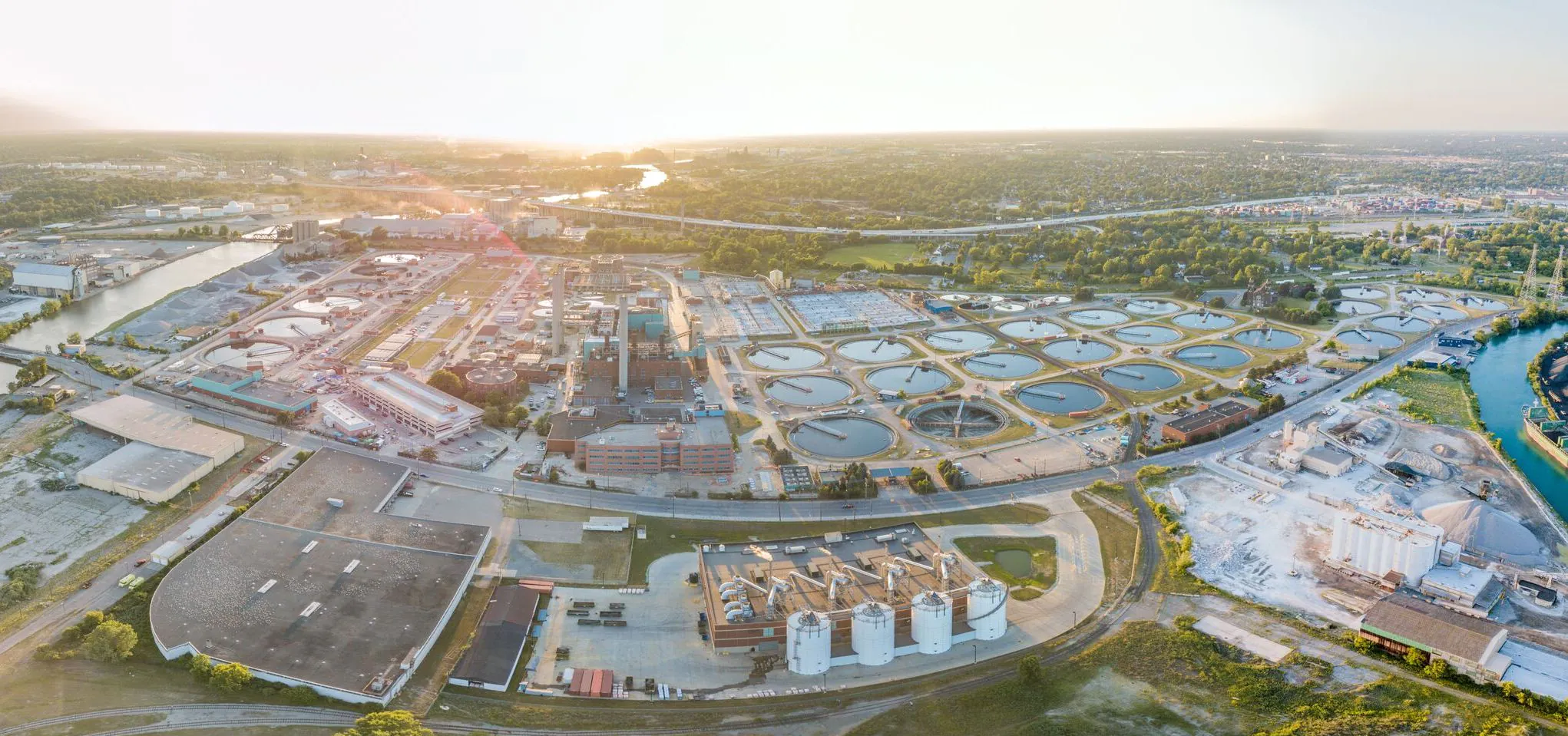
GLWA manages large-scale water treatment and transmission, and wastewater conveyance and treatment systems. As the largest wholesale water and wastewater treatment services provider in the state of Michigan, USA, GLWA needs accurate and available information to inform how we operate, maintain and renew:
- 5 water treatment plants and 19 booster stations
- 816 miles of water-transmission mains serving 3.9 million people
- The largest single-site wastewater treatment plant in the US
- 195 miles of major sewers/interceptors serving 2.8 million people
- 100,000+ individual assets across water and wastewater operations
All of this is managed by more than 1,000 talented professionals who generate, consume or manage data associated with the regional system. With numbers such as these, reliable data isn’t a luxury: it’s a lifeline.
Yet GLWA’s early reality mirrored that of many utilities and asset-intensive organizations:
- Thousands of inconsistent, outdated and incomplete records
- A computerized maintenance management system (CMMS) that was rapidly ageing
- An ageing workforce with undocumented legacy information and a new younger workforce more familiar with technology and mobile applications for information management
- Silos between departments
This led to a looming question: ‘What do we do next?’ It became evident that the existing asset management system, including the CMMS, had to be replaced. This was a high-profile, big-dollar, big-impact challenge.
The Turning Point
GLWA launched a major transformation effort, led jointly by the Information Technology (IT) Team, the Enterprise Asset Management Group (EAMG), and cross-functional representatives from Water and Wastewater Operations.
At the center of the initiative was the procurement and implementation of NEXGEN, which was selected to be GLWA’s new CMMS. This seemingly simple decision unleashed an enormous body of work.
But new technology alone would not solve the problem. It wasn’t just a system upgrade that was needed; a cultural shift was required in how we interact with our data.
The Mobile Leap
NEXGEN offered a mobile solution – an exciting new capability for GLWA – that came with new challenges. GLWA deployed and configured hundreds of tablets for field staff, including many who had limited experience with the technology.
In addition, to make mobile work practical, GLWA had to tag tens of thousands of assets with QR codes, so technicians could scan and update records in real time. This effort required extraordinary coordination across already busy teams, who still had to keep critical plants operating. The commitment required was enormous, and it demanded a willingness to break silos, re-examine old habits and challenge the status quo.
A New Relationship with Data
Viewing data as an asset required a shift in mindset from viewing it as something to enter or report, to something to use, trust and gain value from.
This meant confronting decades of inherited inconsistencies head on and undertaking a massive data clean-up effort:
- Rebuilding asset location, class and process hierarchies
- Developing standards for asset and work data
- Establishing preventive maintenance standards
- Creating a system-wide asset-naming convention
Whether a technician moved plants, changed roles or supported a different facility, assets looked familiar wherever they went. Mobility became easier, and data became universal.
Building the Foundation Under Pressure
The amount of collective effort to implement NEXGEN was staggering. Hundreds of hours were poured into requirements gathering, workflow design, integration mapping, configuration reviews and implementation planning. This stage became a battleground of competing priorities and perspectives, each one critical, and each perspective holder insisting on being heard. However, GLWA trudged on through the weeds… persistence was king!
Training the Workforce
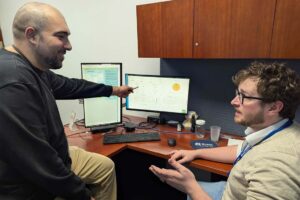
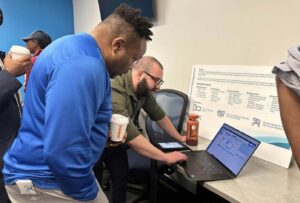
Part of GLWA’s change-management strategy was to give team members exposure to the new system before implementation, followed by several training opportunities. To ease the transition, GLWA organized several roadshows, bringing the full NEXGEN Project Management Team, and all the accompanying IT bells and whistles, directly to the boots on the ground at their locations. These sessions offered space for questions and to build excitement, but more than anything it created a comfort zone to reduce the anxiety that naturally comes with a transformation of this scale.
In conjunction with the roadshows, GLWA offered targeted training at several locations, through various platforms and for different audiences. By the time we reached go-live, we had trained more than 90% of GLWA’s team members – way beyond expectations.
On November 4, 2024, NEXGEN officially went live. IT and EAMG personnel were stationed across facilities to provide real-time, onsite support. Aside from a minor hiccup early that morning, the system quickly stabilized, marking the successful start of a new chapter.
Something remarkable had happened that day: the ‘big event’ became a non-event. Go live, feared to be chaotic, was smoother than anyone imagined. This wasn’t luck… it was the result of thousands of hours planning, testing, training and cross-functional cooperation.
The journey was far from over, but the turning point had been reached. The foundation was finally in place.
“GLWA now sees data not as a by-product, but as a strategic resource that requires stewardship, maintenance and continual improvement”
Foundation First: Building Reliable, Timely, Complete Data
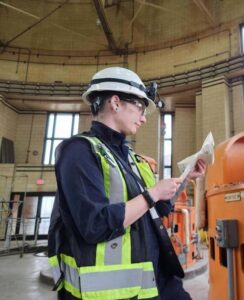 GLWA’s first milestone was confirming what assets exist, where they are and what condition they are in. Asset audits and tagging became the backbone of this effort. Asset tagging connected the physical reality to the new digital truth. New partnerships formed and grew between the EAMG and frontline operations teams as they tagged assets. Operations and Maintenance teams began to see how a simple scan of the QR code brought value and efficiencies in reporting real-time maintenance issues and tracking asset interventions. Piece by piece, GLWA began cleaning up the foundation of its asset ecosystem.
Structuring the Truth: Creating a Sustainable Data Model
Knowing what assets you have is one thing. Knowing that they can be supported and maintained long term is another. GLWA focused on building standardized and documented processes and asset inventories within NEXGEN, so that the issues that haunted the previous system would not recur. This investment included detailed documentation on how the asset hierarchy is structured, what data GLWA will capture in the system and how information captured during work will flow into performance metrics.
All of this was documented in standards and Standard Operating Procedures, ensuring that structure remains stable as people change and systems evolve. This wasn’t just an asset and data clean-up initiative; it was the creation of a long-term, sustainable data-management system.
The Next Frontier: Work Data
With the asset registry rapidly improving, GLWA turned its attention to asset management work-order data. Work orders are more than transactions or checkboxes; they tell the story of an asset’s life. They show how equipment performs, how it ages and how it responds to care. They reveal patterns, highlight risks and capture the collective knowledge of the workforce. Work orders also give team members the opportunity to tell their own story – the craftsmanship, stewardship and expertise that goes into maintaining critical infrastructure.
Work-order data fuels everything from staffing and scheduling decisions to reliability analysis, risk modeling, regulatory planning and capital investment. For GLWA, improving this dataset has become a strategic priority, one that shifts the organization from merely wanting good data to actively using good data for smarter, more-compelling decision-making.
“New technology alone would not solve the problem. What was needed was a cultural shift in how we interact with our data”
Where Data Meets Decisions: The Rise of Reporting Dashboards
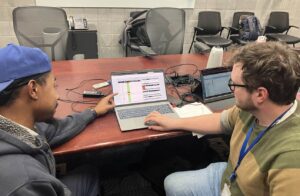
GLWA has developed interactive, near real-time reporting dashboards tailored to the needs of different audiences. From plant managers to planners, team leads and executive leadership, these dashboards have become a true ‘one-stop shop’ – a unified window into performance, workload visibility, compliance metrics and operational risks. The dashboards have centralized information and helped bring the organization under a shared understanding of performance. Today, the EAMG successfully delivers KPI reports that have become a monthly rhythm, a cornerstone of GLWA’s emerging data-driven culture.
Data Is the Asset That Makes Every Other Asset Work
GLWA’s journey towards making its data an asset has been bold, complex and transformative. The organization is moving from a landscape of unreliable information and legacy tools to one built on modern structures, standards, transparency and accountability. GLWA’s financial, technological and cultural investments underscore the value it places on data as a strategic asset. High-quality data is expected to support daily operational decisions, maintenance planning, near-term repair/replacement choices and long-term capital-improvement planning, strengthening GLWA’s ability to deliver safe, reliable water and wastewater treatment across southeast Michigan.
The greatest achievement isn’t just better data; it’s a change in mindset – a paradigm shift. GLWA now sees data not as a by-product, but as a strategic resource that requires stewardship, maintenance and continual improvement. This cultural shift, supported by strong systems, clear standards and empowered teams, sets GLWA on a sustainable path towards operational excellence.
In a world of ageing infrastructure, increasing investment needs and changing service expectations, organizations that thrive will be the ones that understand the truth that data is not just information; data is an asset… and GLWA is investing in it.
Explore similar posts.